Side Projects · Amit by Nature
Ginger from farm to shelf
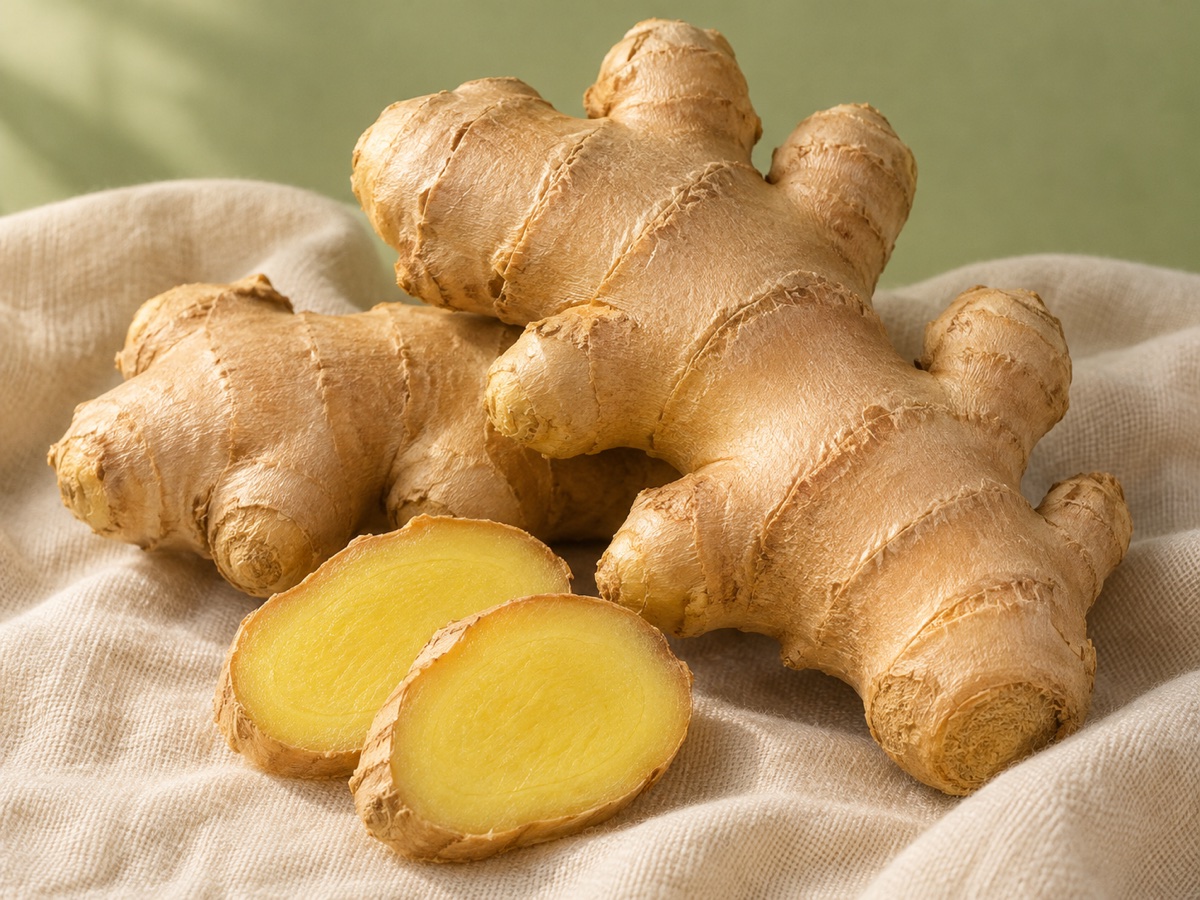
I love ginger. But some of the ginger I bring home from the grocery store leaves me wondering why it tastes so different from the ginger I’ve had while travelling. Same ingredient, completely different experience.
I started asking farmers about it. Our conversations got me thinking about the soil, the nutrients available to the crop, and all the decisions that happen long before a piece of ginger reaches my kitchen. I wanted to see how much of a difference we could make if we paid closer attention from the farm all the way to the shelf.
From fertilizer to farming
At 37 Dimensions, we already export Canadian fertilizer. That got me thinking. What if we worked directly with farmers to figure out what their crops needed, then grew ginger we’d actually be excited to buy ourselves?
In January 2026, I bought a distribution company to get closer to the growers and see the whole process for myself. We’re now working with farmer co-operatives in Peru to grow both conventional and organic ginger. Peru also gives us a different growing window, which could help us supply customers when ginger from other regions is harder to source or more expensive to ship.
My goal is simple. I want ginger that tastes great, gets to the shelf fresher, and sells at a competitive price. The Peruvian farmers we work with care deeply about what they grow, and their local knowledge has shaped how we’re approaching the project.
The grocery shelf is only half the story
We’ve already sold some ginger through major Canadian grocery stores. Getting it onto the shelf was one milestone. Figuring out how quickly it moves is the next one.
Fresh ginger can spoil if it sits too long. We’ve been willing to buy back slow-moving stock and find another buyer for product that’s still in good condition, including food manufacturers in Canada and the U.S. The bigger opportunity is to get better at matching what we grow and ship to what customers actually use. If we can do that, we can keep ginger fresher, waste less, and make the economics work better for everyone.
That’s also why distribution matters so much to me. Through acquisitions of distributors such as Chelas Distribution, we can connect what’s happening on the farm with what’s selling in stores. I want those two sides talking to each other before we decide how much to grow and where to send it.
What I’m watching in 2027
I’ve been drawing on local expertise and support in Peru while looking at how Export Development Canada, SR&ED, and the National Research Council’s IRAP program might fit into the work we’re doing.
My ambition is to become the leading supplier in the markets we serve. The 2027 growing cycle will give us a clearer picture of how close we can get. I’ll be watching how the ginger tastes, how fresh it is when it arrives, whether we can hit our price targets, and whether grocers come back for a second order.
I started this because I wanted ginger that tasted the way I remembered it. Now I want to see if we can grow it, get it to the shelf fresh, and make it a price people are happy to pay.
Stay tuned.